The Albert Cinema: Silvertown’s own Picture Palace
About this record
A look into the history of the Albert Cinema in Silvertown (1912-1938)
The Albert Cinema was a picture house which once stood on Albert Road, Silvertown. Originally opened in 1912 as Sweetingham’s Cinema and known for a time as the Silvertown Picture Palace, the cinema closed in 1938, and stood unused for some years before eventually being demolished in the 1960s. As part of our project for Newham Heritage Month 2023, FeastFest has been looking into the history of the cinema.
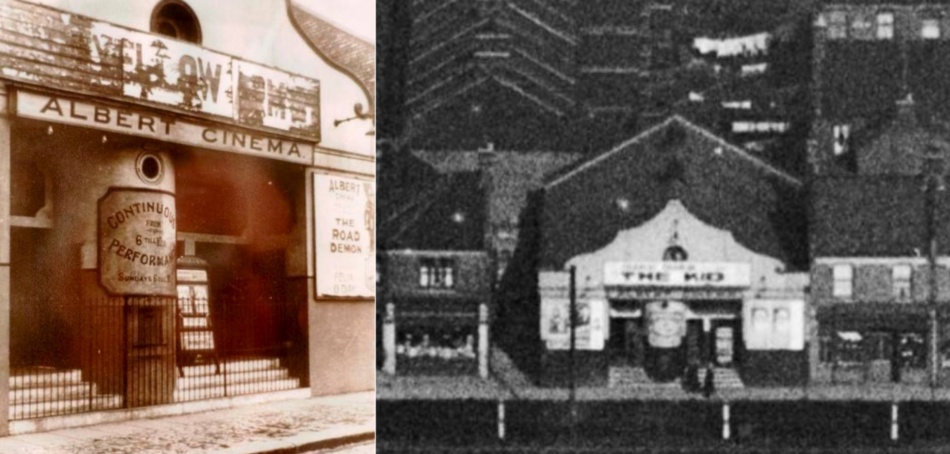
When the Albert first opened as Sweetingham’s Cinema in 1912, cinema as an art form was in its very early days. The first feature film had appeared just six years earlier, and sound for films had not yet been developed. Yet this new form of entertainment had taken the world by storm, and soon picture houses were popping up everywhere – and Newham was no exception. The owner of Sweetingham’s, William Sweetingham was a local entrepreneur who also owned at least two other cinemas in the area. The Albert Cinema seated around 400 people and was popular with people working nearby.
The early days of Sweetingham’s Cinema were in the era of silent movies, where films didn’t feature any dialogue or sound. Usually, the screening would be accompanied by a pianist, organist or in grander venues, sometimes even a whole orchestra who would play a live musical soundtrack for the action.
One of the biggest stars of this era was Charlie Chaplin. Chaplin was originally from London but made it to Hollywood after touring the US as part of Fred Karno’s troupe of players. He also famously visited nearby Canning Town to visit Indian independence leader Mahatma Gandhi who was staying in the borough at the time. The image below shows the Albert in around 1921 advertising a screening of Chaplin’s film The Kid.
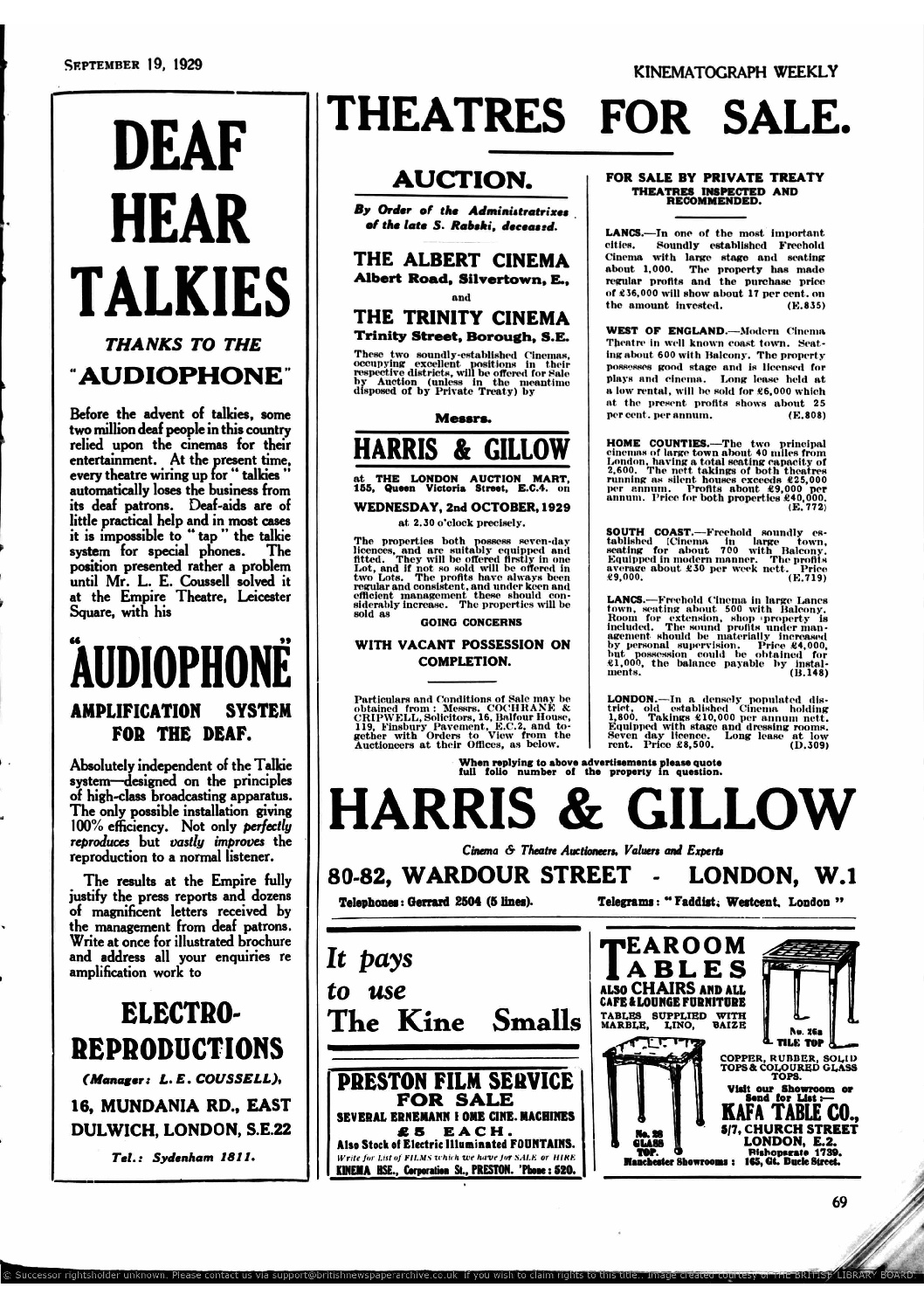
At some point, Sweetinghams was taken over by Mr and Mrs Barnett and Selina Rabski and its name became the Albert Cinema. On the death of Mrs Rabski, the cinema was put up for sale in 1929, though it’s not clear who bought it. At one time, it’s believed to have been owned by the father of film actress Fenella Fielding who told the Independent in 2008.
Daddy had a cinema at Silvertown. In north London."… "I can't remember (what I saw) I can remember what I ate. Coconut squares dipped in chocolate, wrapped in gold paper, Lovely.
The 1930s was the final decade in the life of the Albert Cinema and it coincided with a golden era for cinema-going in the UK. New chains such as the Odeon and the Gaumont opened up huge grand picture houses in the art deco style fashionable at the time, and cinema going was a popular pastime among people from all walks of life.
And the lure of a trip to the cinema could be very strong! A story from the West Ham and South Essex Mail from 1930 tells of a group of schoolboys who found themselves in Juvenile Court having stolen beer bottles from the Albion Pub on Albert Road (very close to the Albert Cinema) in the hopes of making enough money for a trip to the pictures.
The Albert Cinema closed in 1938, although the building remained standing until the early 1960s. The nearby docks were a prime target for bombs during the second world war, and it’s likely that the cinema was damaged during this time and fell into disrepair. We interviewed a local resident who grew up in the area and remembered sitting out on the steps of the closed cinema as a child in the 1940s. Later it was replaced by a betting shop and eventually by the housing that stands on the site today.

Additional record details
- Contributor: Performance Infinity
- Type: PhotographsWriting
Heritage newsletter
We would like to send you monthly emails spotlighting heritage content in Newham, as well as updates and opportunities to be involved in next year's festival. Be the first to hear about new projects, funding opportunities and ways to be involved.