Albanian Cuisine
The Albanian cuisine ( Kuzhina Shqiptare) is a representative of the cuisine of the Mediterranean. It is also an example of the Mediterranean diet based on the importance of olive oil, fruits, vegetables and fish. The cooking traditions of the Albanian people are diverse because environmental factors mean the land is suitable for the cultivation of nearly all kinds of herbs, vegetables and fruits. Olive oil is the most ancient and commonly used vegetable fat in Albanian cooking,
Hospitality is a fundamental custom of Albanian society and serving food is integral to the hosting of guests and visitors. It is not infrequent for visitors to be invited to eat and drink with locals.
Garlic and onions are arguably the country’s most widely used ingredient. Albania is ranked second in the world in terms of onion consumption per capita.
We have chosen two recipes below to recreate the taste of Albania in your own home.
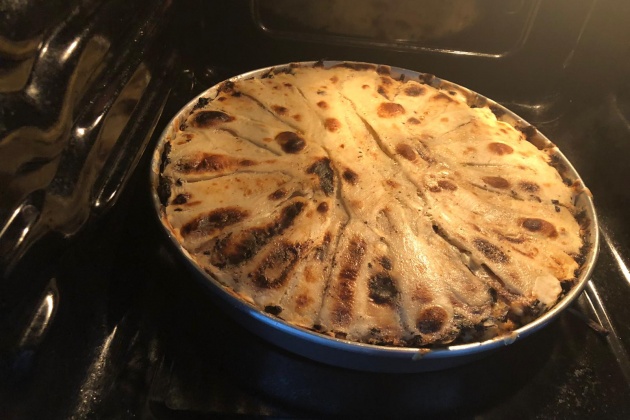
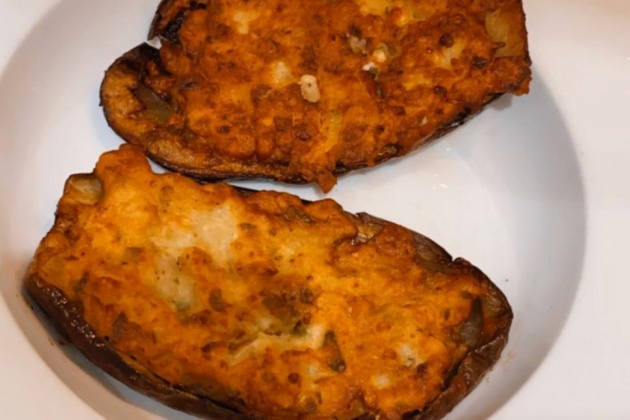


Shkodra Style Krap (Carp)
This is one of the basic recipes for krap (carp) and has an enormous number of variations. Shiroka omits the wine, Kopliku add half a minced onion to the garlic, and still others fry the fish separately and drain it thoroughly, adding it to the sauce at the last minute. No matter how you make it, it’s good.
Ingredients
2 pounds (1 k) soaked Krap cut into two-inch slices across the grain and floured
1/2 cup of olive oil
2-3 crushed peeled cloves of garlic
Freshly ground pepper
White wine
1 pound peeled, seeded fresh tomatoes, or 3/4 pound canned tomatoes.
A bunch of parsley, minced
Method:
Heat the oil in a pan and add the garlic.
When it’s lightly browned, add the fish, shifting it about gently lest it stick.
When one side’s browned, turn it gently and brown the other.
Add a pinch of freshly ground pepper (salt shouldn’t be necessary) and sprinkle with a little bit of wine.
When the wine has evaporated, add the tomatoes and continue cooking for a few minutes, till the sauce is cooked
Sprinkle with the minced parsley and serve hot
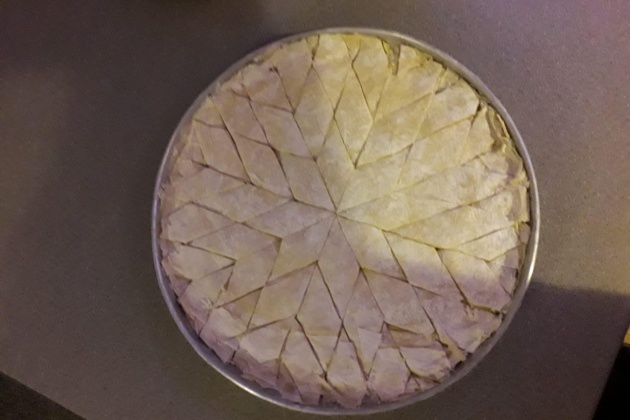
Albanian honey baklava
A traditional New Year’s Eve dish in Albania (Serves: 8)
Prep time: 30min
Cook time: 1hr15min
Extra time: 4hr soaking
Total time: 5hr45min
Ingredients:
165g honey
220ml water
220g caster sugar
36 sheets (450g) filo pastry
200g butter, melted
500g walnuts, ground
1 teaspoon ground cinnamon
Method:
The first step is to make the honey syrup, this can then cool while your baklava is in the oven.
-Add the honey, water and sugar into a saucepan and bring to the boil while continuously stirring.
-Once the sugar has melted, leave to boil on a medium heat for 5 minutes. Move to one side to cool.
Find a baking tray that fits the size of your filo pastry, about 30x20x6cm. If necessary cut the filo pastry to size and cover with a damp tea towel to keep the pastry moist.
Brush some melted butter onto the base of the baking tray. Lay one sheet of filo pastry at a time and brush with butter. Cover with a second sheet. Layer 8 sheets buttering each one as you go.
Mix the ground walnuts and cinnamon together and sprinkle 1/4 over the pastry.
Layer 4 more sheets of filo buttering each one as you go and then add another 1/4 of the nut mixture. Repeat so you have 4 layers of the nut mixture. Layer the last 8 sheets of filo pastry buttering as you go. Brush the top layer of pastry with butter.
You can cut the baklava any way you desire, the traditional is diamonds. Cut 3 lines making 4 rows down the length of the tray. Then cut diagonally across to make diamonds.
Preheat the oven to 160 C / Gas 2-3.
Bake until golden and crispy, about 1 hour. Check every 5 minutes and bake up to 15 minutes more.
Pour the syrup over the baklava straight away while it is still hot – you should hear the sizzling. Leave to set for 4 hours, allowing the syrup to soak through the pastry before serving.
About this record
A selection of photos and two more recipes of traditional Albanian dishes.
Additional record details
- Contributor: Shpresa Programme
- Type: PhotographsWriting
- Date created: May 2020
- Location: E13 8HT
Heritage newsletter
We would like to send you monthly emails spotlighting heritage content in Newham, as well as updates and opportunities to be involved in next year's festival. Be the first to hear about new projects, funding opportunities and ways to be involved.