Community Oral Histories Research Project 2025
About this record
Community Researcher Nancy Nhat Vu reflects on the process of researching Newham’s heritage.
The Brief
In 2026, the Newham Heritage Centre (NHC) will open in the former Canning Town Old Library (CTOL). Ahead of this, the Newham Heritage Centre team identified exciting opportunities to add to the archives that will be held at this centre. Currently, there are less archival materials representing the time period post-1970s, especially the 2000s.
This gap led to our Community Research project, as part of Newham Heritage Month (NHM) 2025, that took place between August and November 2025. Our team of Community Researchers living in Newham undertook archive research on the CTOL and Newham at large, conducted oral history interviews and created website records.
We captured stories from local people about the significance of the library, their experience of using the space and their memories of it. The NHC team and the Community Researcher team deeply recognise the value of local people’s memories and the importance in preserving those memories for the future.
I came onto the project as a Canning Town local, raised here since I was 5 years old, after migrating from Vietnam. I lived above a nail shop that directly faced the CTOL during the early 2000’s and would visit the library sometimes twice a day, just by crossing the road. I could not be more enthused at the chance to reconnect with this history as an adult.
The Process
NHC and Community Research Team support
The project kicked off with workshops led by the NHC team (Carrie Foulkes, James King, Hannah Coates, Cas Bradbeer, Aiste Bakutyte) and oral historian Rib Davis across the new Canning Town Library and Stratford Library. These upskilled the Community Researcher team in accessing and managing archives, formal interviews, creating artefacts/records, using specialist audio equipment and community liaison.
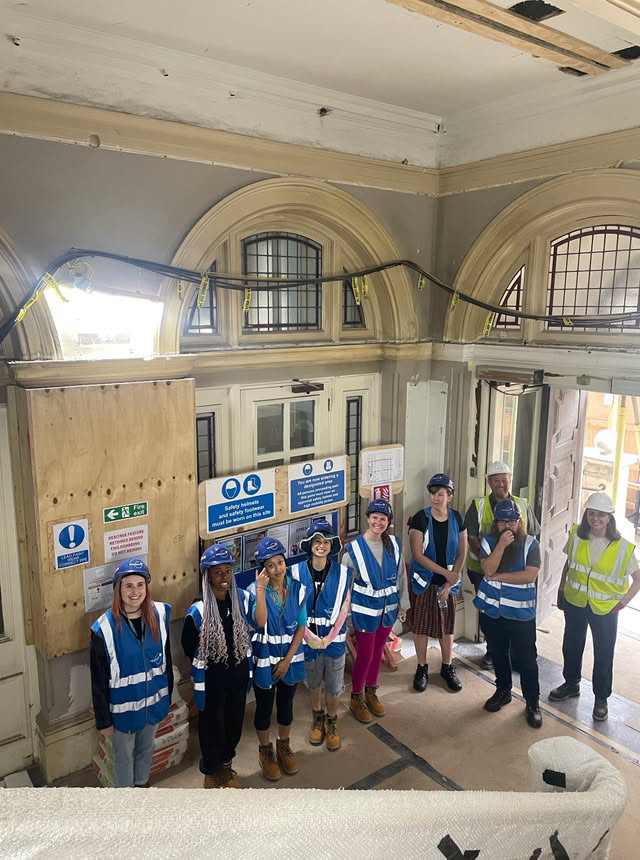
We even got a sneaky hard hat tour of the CTOL under renovation!
My approach
I noticed that the current archives do not have enough materials representing the multicultural, multi-faith and diverse communities that represent Newham post 1970’s, especially the Newham I grew up in during the early 2000’s.
Inspired by my own memories, my friends and families as well as the Community Research team, I was motivated to address the gap of global majority and East & Southeast Asian (ESEA) histories. Focusing on the time period where I engaged most with the CTOL (2003-2008), I carried out desk research, interviews, archive research and primary research of my own collection of artefacts.
As we neared the deadline to submit our work for the archives and the NHM website, I reviewed the content I have been collecting and categorised them into three distinct outputs.
- Podcast with Hallsville Primary School Best Friends
Two years ago, in a burst of nostalgia and a want to re-establish roots after moving back to Canning Town, I made efforts to find and reconnect with my four childhood best friends who also attended Hallsville Primary School.
Since then we have had annual meet ups filled with warm reminiscing, unlocking of shared memories and thoughtful reflections of growing up in Canning Town as Vietnamese, Bengali and Somali children. What stays with me is how our chemistry, easy banter and mutual love, respect and trust transcend time, space and all the cultural lines that naturally manifest when you grow up and lead separate lives. These relationships are special remnants of Newham and the CTOL in that decade, which I felt should be captured in our local history.
This idea inspired me to capture our conversations in audio format as an artefact for the NHC archives. I organised a potluck at my home where we can first catch up freely and settle into a comfortable atmosphere. We then spent an hour recording a conversation loosely guided by questions and themes I prepared ahead of time.
We recorded memories about our childhoods in Newham during the early 2000s; an unexpected superior experience in school as Hallsville Primary got an injection of funding in the lead up to 2012 Olympics; how the Old Library is incorporated into our individual routines and diverse memories of it; gentrification and how it affected our families’ relationship to the area; family history of migration and the experiences of our Vietnamese, Somali and Bengali communities navigating the Old Library and Newham at large.
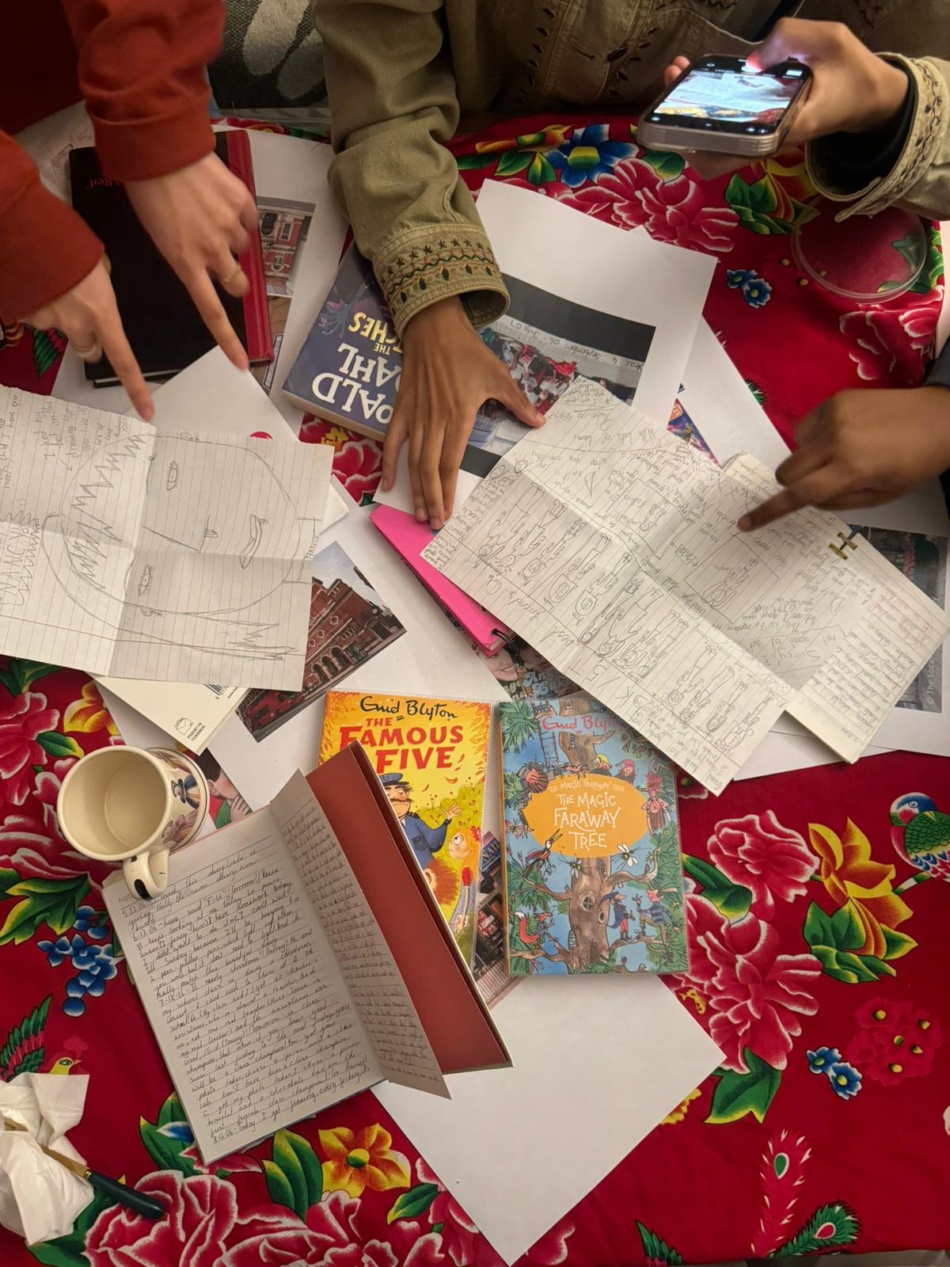
We also shot footage of ourselves delightfully uncovering and discovering my personal keepsakes from this era (including diaries, mug history school trips, Hallsville Primary old uniform, letters we wrote to each other). I planned to overlay the audio over this footage, to make it a visual podcast. The final output was planned to also include translated scripts and additional written memories from each of the speakers.
Due to time and budget constraints, this visual podcast is currently on pause in development.
- Email Interview with Robert John Rogers
Many current and former Newham locals responded to the NHM call out for memories of the CTOL, and for those who could not do in-person interviews, we conducted them over emails instead.
In preparation for email interviews, I compiled a list of general questions as a template, drawing from best practices based on our interview training. This was sent as the first set of questions after participants signed consent forms.
The sets of follow up questions are then tailored per the answers to the first set, to deepen understanding of any interesting topics that surface. Robert John Rogers was my main interviewee and he generously shared a wealth of memories and details of his life in Newham and Norfolk. The questions and answers are not always linear so I kept track of every email exactly as they were written and dated in a running Google Doc sheet.
Upon completion of the email interview, I was ready to create the record for the NHM website. First, I compiled answers that are thematically related under relevant questions so there are less repeated questions of the same topic. The body of text is edited for clarity and spelling but I tried to keep as much of Robert’s character, personality and writing as possible, as I view that as an artefact itself. I tried to keep in as much as he wanted to share and submitted to the NHC team two versions (one that is comprehensive and one shorter for easier reading).
Once the short version of the interview is published on the website, it was important to share it with Robert for approval and give him an opportunity to submit any amendments.
The email interview is available here.
I have also submitted all the raw files and unedited email exchanges into the archive, which can be accessed by the public via contacting the Archives team.
- Article Debriefing on Community Research Project
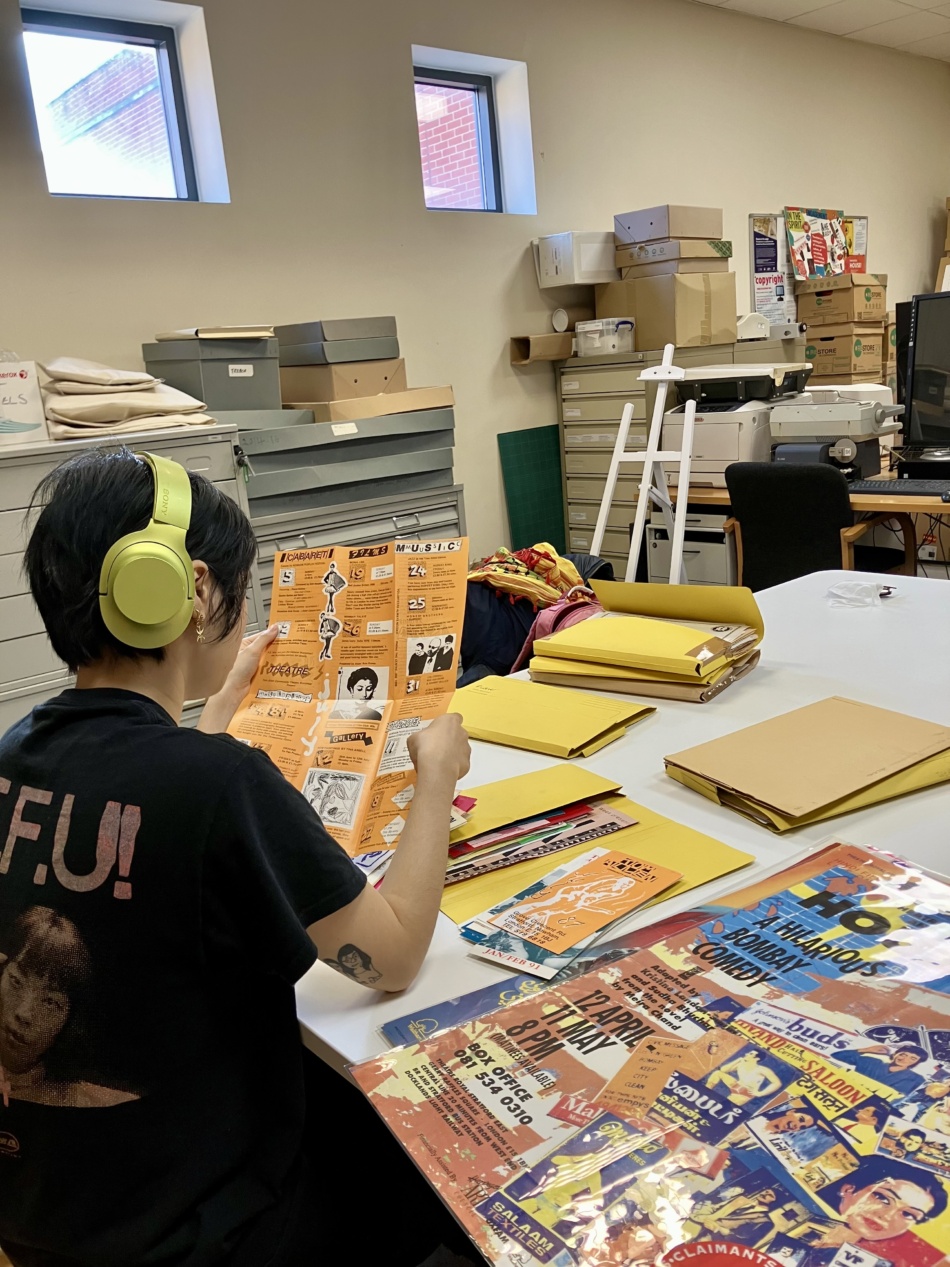
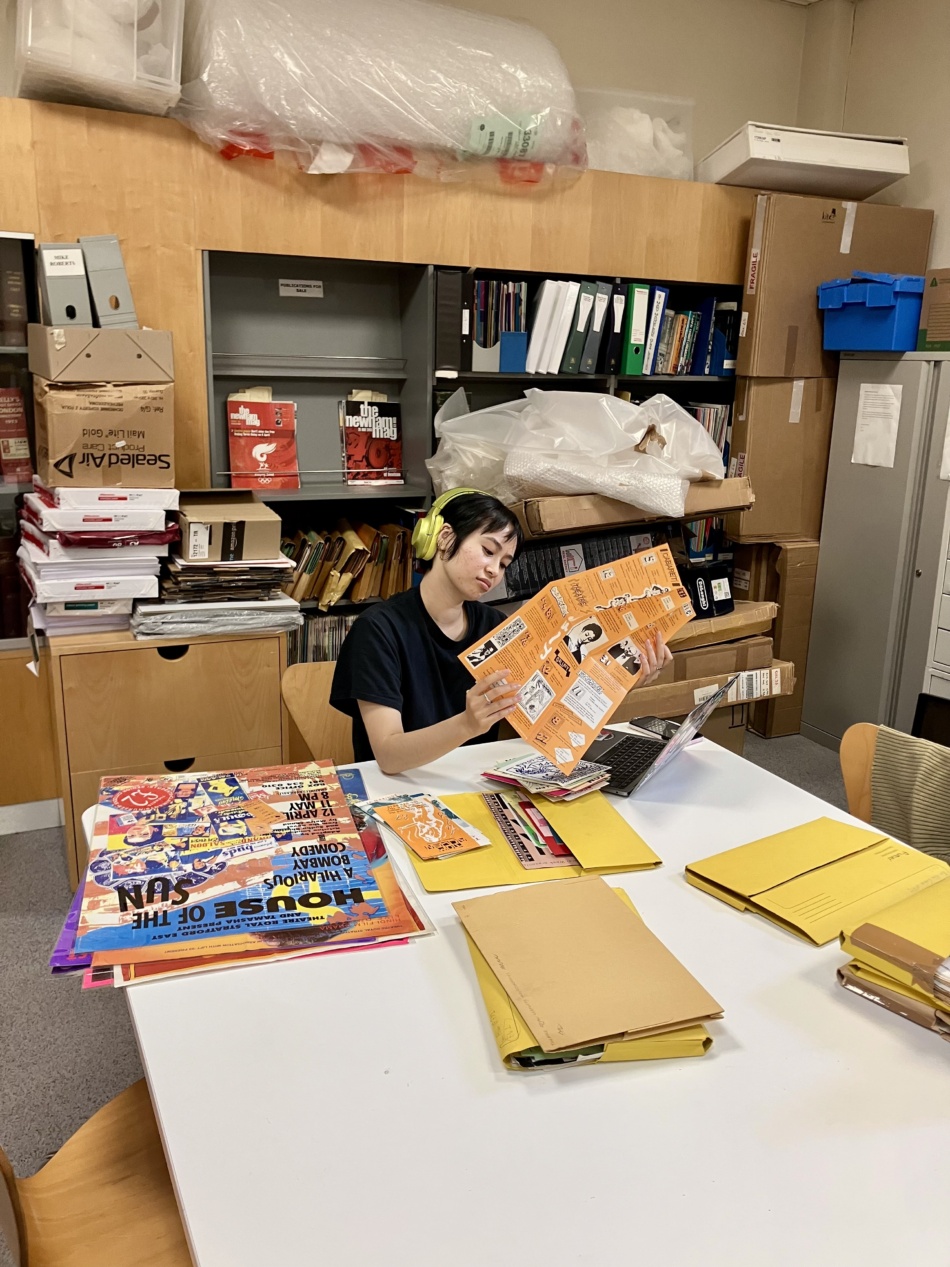
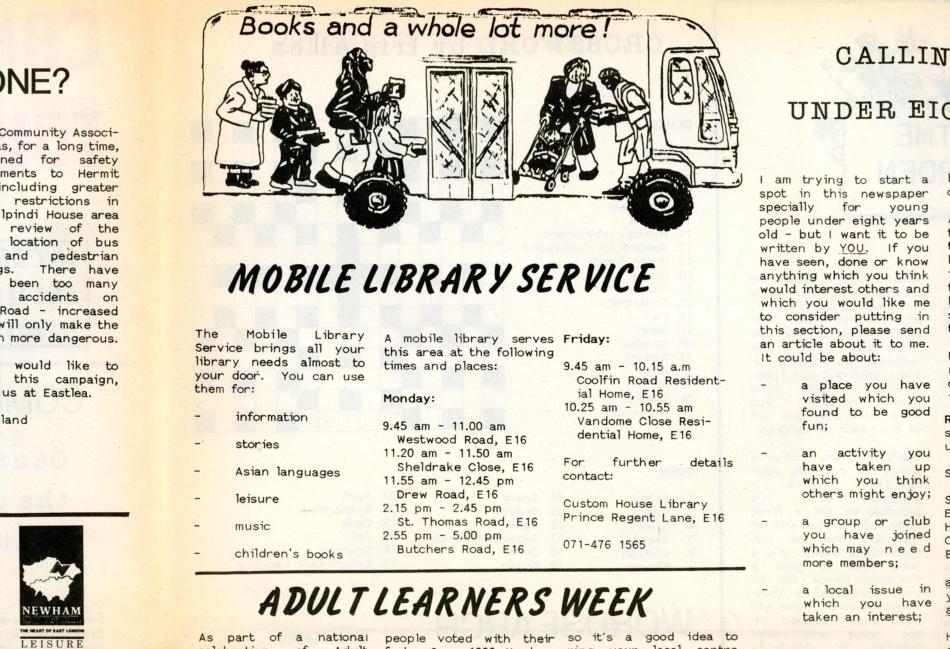
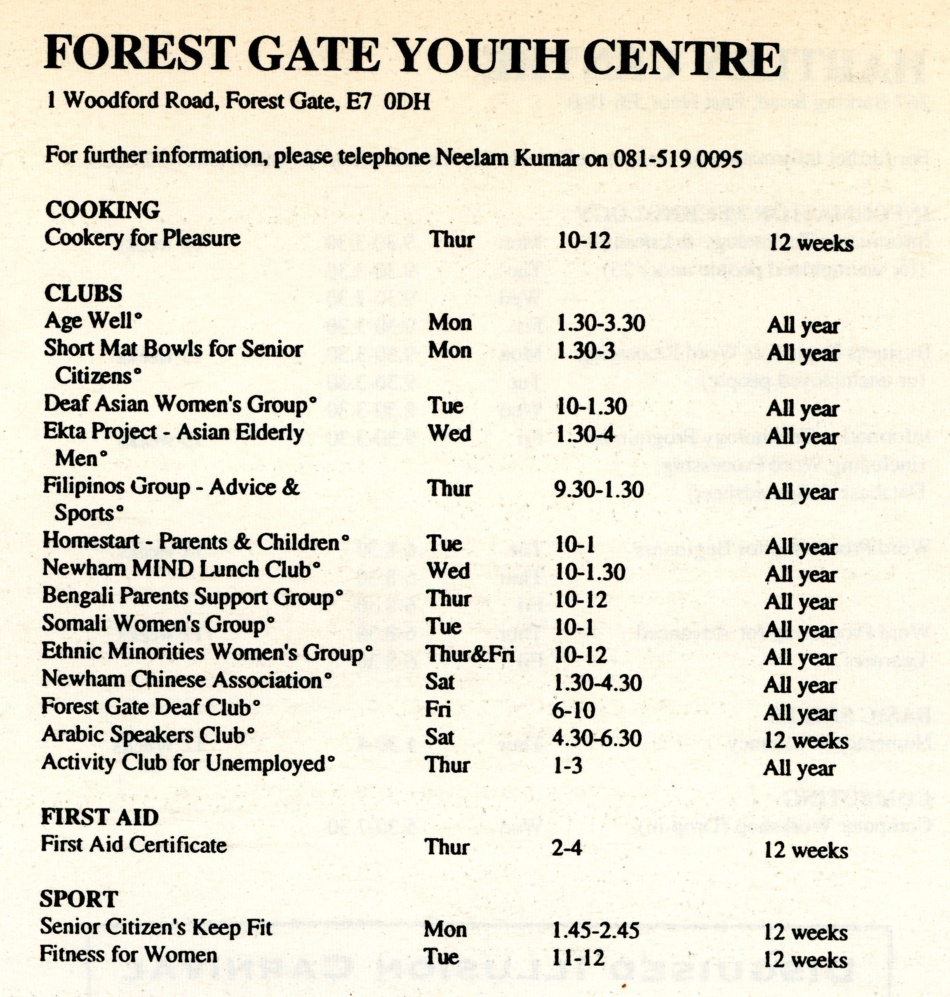
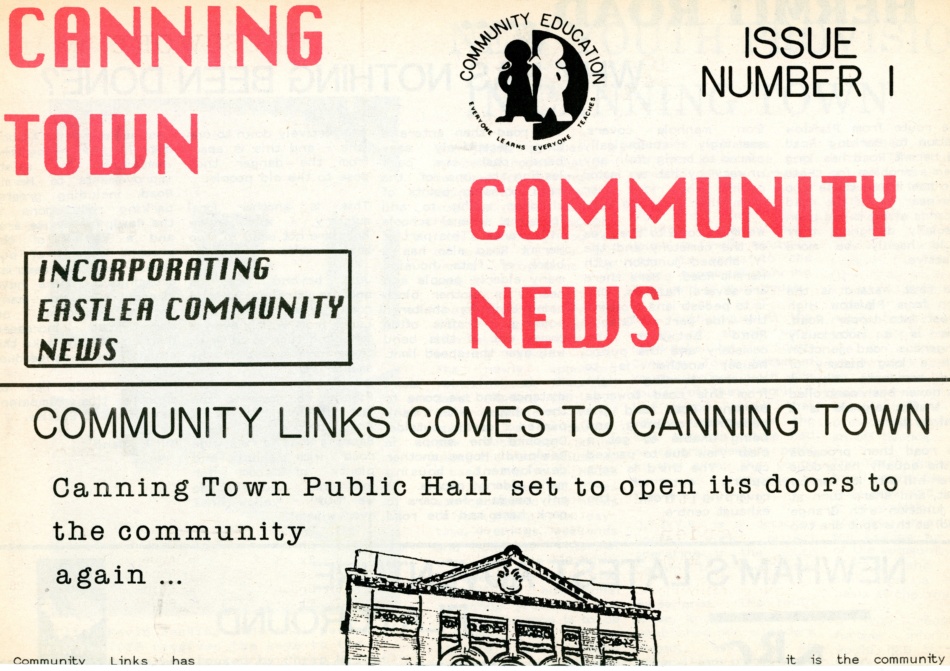
Throughout the project, I kept a Google Doc to centralise all research notes, training notes, key emails and ideas, as well as a time tracker of activities and tasks. I also had a folder to save scans and photographs of archival materials I found interesting. The NHC team also captured many photographs and videos of the project and the Community Research team.
The NHC team was pivotal in supporting the Community Research team throughout this project – upskilling to perform key tasks, giving us creative freedom in how we wanted to capture local histories and memories of the CTOL and being an experienced sounding board for what would work for public materials versus what can be added into the archives.
This article became one of my outputs; I hope to capture the process that is behind the efforts in uplifting community histories and to provide a space to further explain our team’s project. Below I share learnings which may be helpful to future similar endeavours.

Learnings
- To maximise input from the public, it is best to start outreach as soon as the project begins and spread the call out as wide as possible (via church / library newsletters, community word of mouth, or even a viral instagram reel etc)
- Don’t be scared of the personal and draw from your own experiences, memories and interest (after all, this about community/ local history) – starting from friends and family can often provide rich insights and materials
- Embrace the ambiguity and expansiveness of the brief to be led by your natural curiosities in the research and to make the final outputs your own
- Create email/ interview/ discussion templates to save time
- When taking notes on archival materials, always make a note of the full name of the folder(s) they came from
- Keep referring back to the stated goals of the project from the team who commissioned the work to stay on track and cut out what is not relevant during research and creating records
- Nurture connection with fellow team members by offering and exchanging support/ resources/ notes/ referrals, this will enrich the experience as well as the outputs
Epilogue
Throughout this project, I have learnt so much more about Canning Town, Newham and our communities’ shared histories. Carrying out this work with the team has made me feel most embedded and reconnected to the local community since I returned to the area. I loved learning about places on my doorstep I have never visited before!
I am so proud to have realised so many of my ideas and contributed to the archives and public local history collection; I hope to share the visual podcast someday to contribute more stories from migrant and global majority communities that have shaped Newham and the CTOL so vibrantly!
Additional record details
- Contributor: Nancy Nhat Vu
- Type: PhotographsWriting
Heritage newsletter
We would like to send you monthly emails spotlighting heritage content in Newham, as well as updates and opportunities to be involved in next year's festival. Be the first to hear about new projects, funding opportunities and ways to be involved.