The Lesbians of Forest Gate – Part Three
About this record
The Lesbians of Forest Gate is a new play derived from interviews with lesbian, queer, bisexual, asexual, transgender, and non-binary people living in Forest Gate over the past six decades. Created by Emily Wollenberg, an actor, theatremaker, and bartender at Forest Tavern, The Lesbians of Forest Gate explores how friendship, love, and activism shaped a community and remain woven into the tapestry of Forest Gate to this day.
Note: Two of the eight interviewees requested that their interviews be excluded from the archives for safety purposes.
Kelly Drake
She/her
Lesbian

Kelly is a born activist. From leading women’s groups, running the London Bi Women’s helpline, and directing the LGBTQ+ Families group, she’s always been driven by a passion for community outreach and advocacy. After moving to the area in 1998, she connected with Amanda (featured in Part Two) and joined the lesbian art group, Neon Sirens. Listen as she opens up about confronting her internalised homophobia and embracing her lesbian identity. She reflects on the chaos of the ‘90s lesbian art scene, her relationship with Amanda, and the unique challenges—and joys—of being a lesbian parent.


I always believed in sort of change from within, you know, that kind of activism really. Trying to change the system rather than creating a new one, which actually I think now I could have gone the other way. Fuck this system.

We were saying to the queers, to the lesbians and gays […] We are here, we're queer and we're not going away, you know, we're part of you.


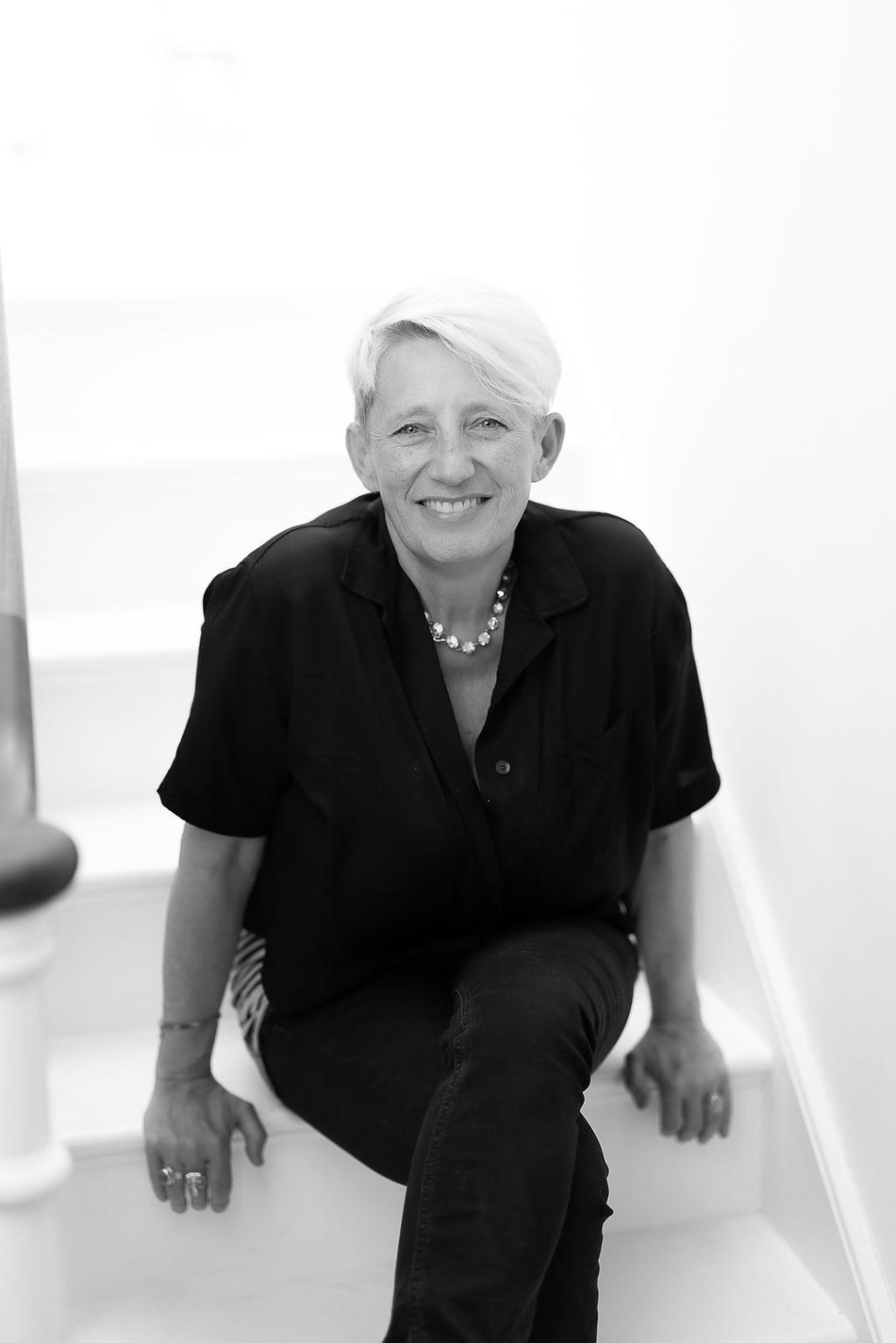
That whole idea of [women] feeling comfortable to walk down the street holding hands, just that is really powerful, I think, because it's a real statement. And I see more of it here in Forest Gate.
See more of her work at https://www.kellyadrake.com/freelance
Follow her @kelly.a.drake
Julie
She/her
Lesbian

Julie has always loved reinventing herself. From Annie Lennox to Madonna, she draws inspiration from the world around her and refuses to be boxed in. She’s a fierce advocate for her local community, hates drama, and is hopeless at knowing when someone fancies her. Julie spent over three decades living in Forest Gate. Though she’s since moved away, she’s still a familiar face—often spotted dancing at Kick Down the Closet (Forest Tavern’s monthly queer DJ night) or reconnecting with friends at Forest Gate Pride. In this interview, Julie reflects on the impact of Section 28, her ongoing journey of self-discovery, and serves up plenty of sharp, witty one-liners along the way.


Every Friday I would reinvent myself, right? It’d just become like ‘tonight […] Julie is…’ Right? And I loved it.
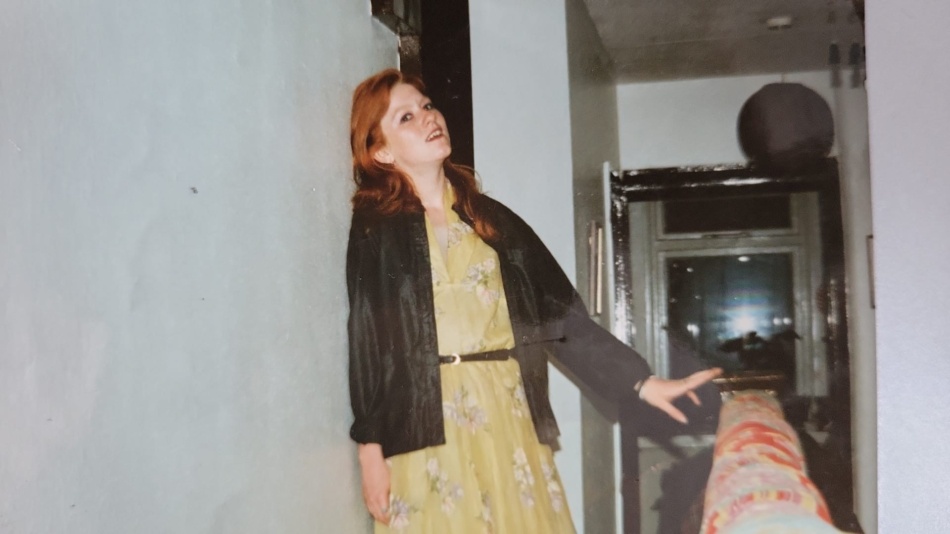
(On her frustration with labels): Who am I [pigeonholing] myself for? So the straight person knows what pocket to put me in? […] I identify as a lesbian, but that’s because I’ve been told I’ve got to identify as something.

I do remember saying to my friend, ‘I’m a lesbian.’ Right? And I expected this big fanfare. He said, ‘Even Helen Keller would have known that.’


Additional record details
- Contributor: Emily Wollenberg
- Type: PhotographsSoundsWriting
Heritage newsletter
We would like to send you monthly emails spotlighting heritage content in Newham, as well as updates and opportunities to be involved in next year's festival. Be the first to hear about new projects, funding opportunities and ways to be involved.