Islam and Art
About this record
UKIM Masjid Ibrahim delve into the rich and diverse history of Islamic art.
Islam and Art
Islamic art has a rich and diverse history, reflecting the cultural and religious traditions of the Islamic world.
Islamic art encompasses various forms, including calligraphy, geometric patterns, architecture, ceramics, textiles, metalwork, and miniature painting. These art forms have evolved and developed over the centuries, influenced by the diverse regions and periods within the Islamic world.
One of the most prominent features of Islamic art is the extensive use of calligraphy, particularly Quranic verses and religious texts. The beauty of Arabic script and its integration into various art forms is highly regarded in Islamic culture. The Quran itself holds a significant place in Islamic art and has inspired the creation of intricate calligraphic compositions.
Geometric patterns are another distinctive element of Islamic art. Islamic scholars and artists have emphasised the mathematical precision and harmonious repetition of geometric designs. These patterns adorn various surfaces, including tiles, woodwork, and textiles, and are often seen in mosques, palaces, and other architectural structures.
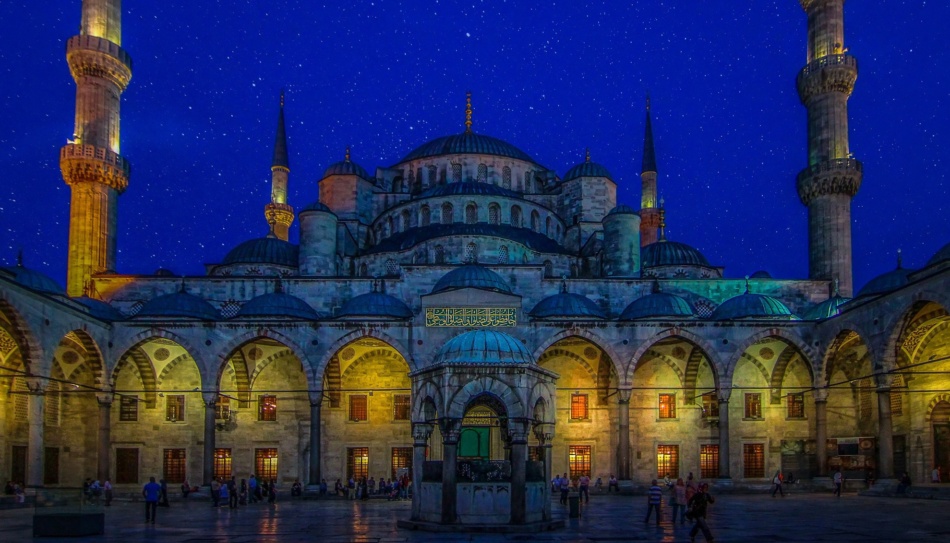
Islamic architecture has produced magnificent structures around the world, including Mosques and Madrasas. Architecture often features domes, minarets, and intricate ornamentation, incorporating geometric patterns, calligraphy, and vegetal motifs. The use of arches, courtyards and open spaces is common in Islamic architecture, creating a sense of harmony and tranquility.
Ceramics and pottery have played a significant role in Islamic art, with distinct styles emerging from different regions. Techniques such as lusterware, cuerda seca, and underglaze painting have been used to create exquisite ceramic pieces, often decorated with intricate patterns and motifs.
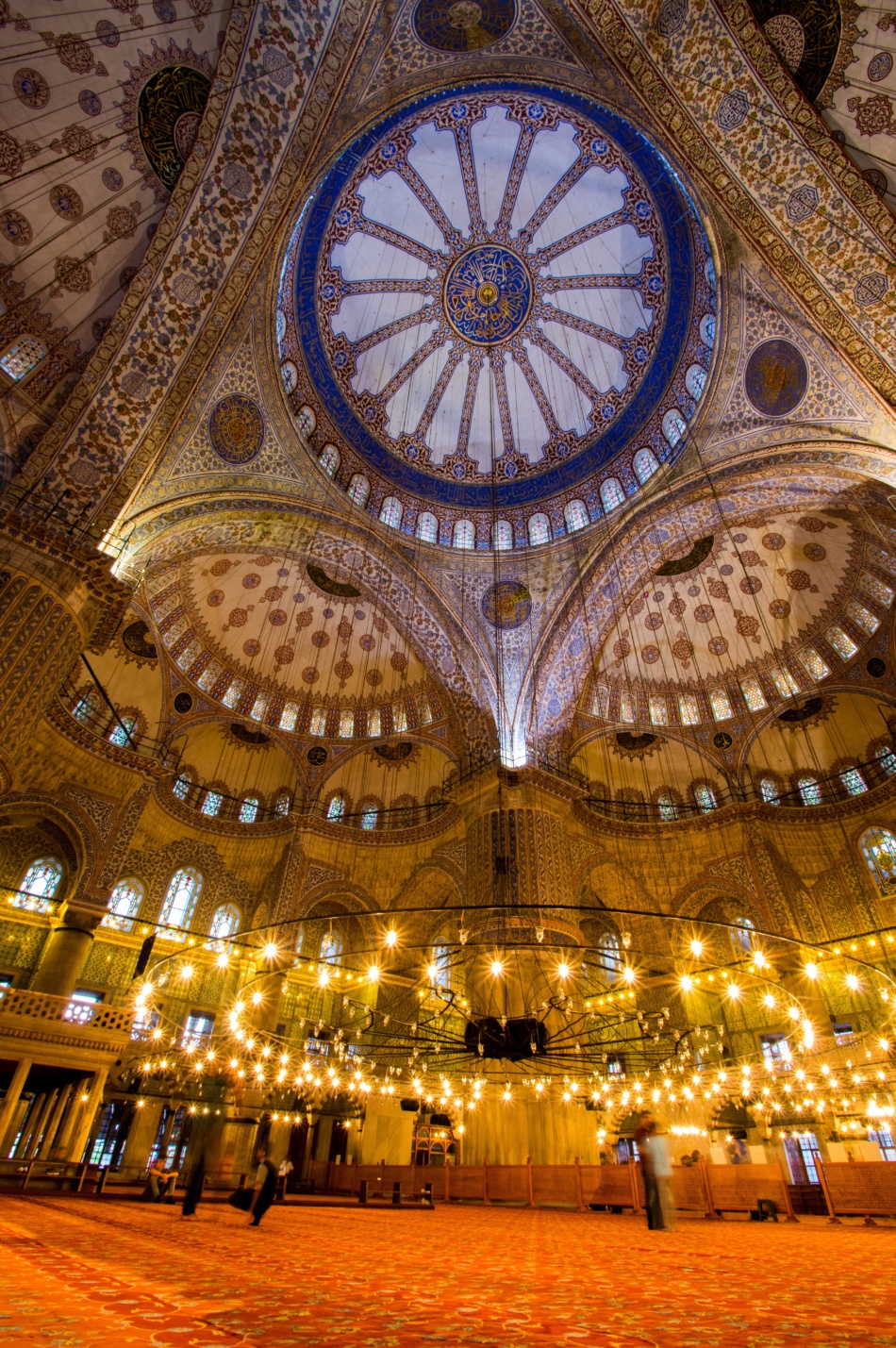
Textiles and carpets are highly regarded in Islamic art, with various weaving and dyeing techniques employed. The intricate designs on textiles often feature floral motifs, geometric
patterns, and calligraphy, showcasing the mastery of Islamic artisans.
Metalwork, including engraved metal objects and jewelry, has been highly prized in Islamic art. Skilled craftsmen have produced intricate pieces using techniques such as filigree, inlay, and repoussé, often incorporating calligraphic inscriptions and decorative motifs.
Join us on the 25th of June at Masjid Ibrahim to learn more about Islamic art throughout history as well as in the borough of Newham.

Additional record details
- Contributor: UKIM Masjid Ibrahim
Heritage newsletter
We would like to send you monthly emails spotlighting heritage content in Newham, as well as updates and opportunities to be involved in next year's festival. Be the first to hear about new projects, funding opportunities and ways to be involved.