Designs that Travel: The SS Persia

About this record
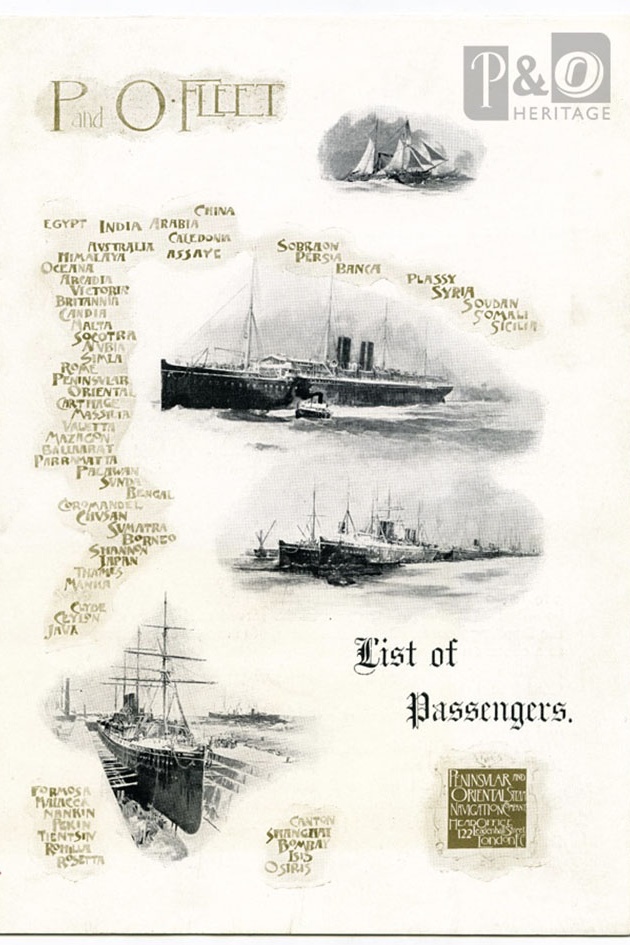
The SS Persia, one of P&O’s most luxurious passenger liners of the time left Tilbury docks and steamed down the Thames en route to India on 18 December 1915. She was one of the ships termed the Empire Line which regularly carried mail and passengers to India and back, cargo was generally small volume, high net goods such as gold, silver and ivory. Records from this journey reveal a cargo of cement, railway fixtures, iron bars, paints, provisions, draperies and fine goods, books, medicine and over 1,500 tons of mail.
The Persia headed towards the Suez Canal with over 500 passengers and crew on board until its journey was tragically ended on December 30th near Crete by a torpedo from a German U-boat. It sank in under 5 minutes with the loss of 343 lives.
The sinking was controversial at the time because it broke wartime naval international law which outlined that passengers should be given the opportunity to disembark from merchant shipping vessels before conflict started.
The SS Persia sank rapidly taking with her 334 of the 501 persons aboard. There were only 167 survivors, 65 of the 184 passengers, 32 of the 81 European crew and 70 of the 236 Asian crew.


Passengers
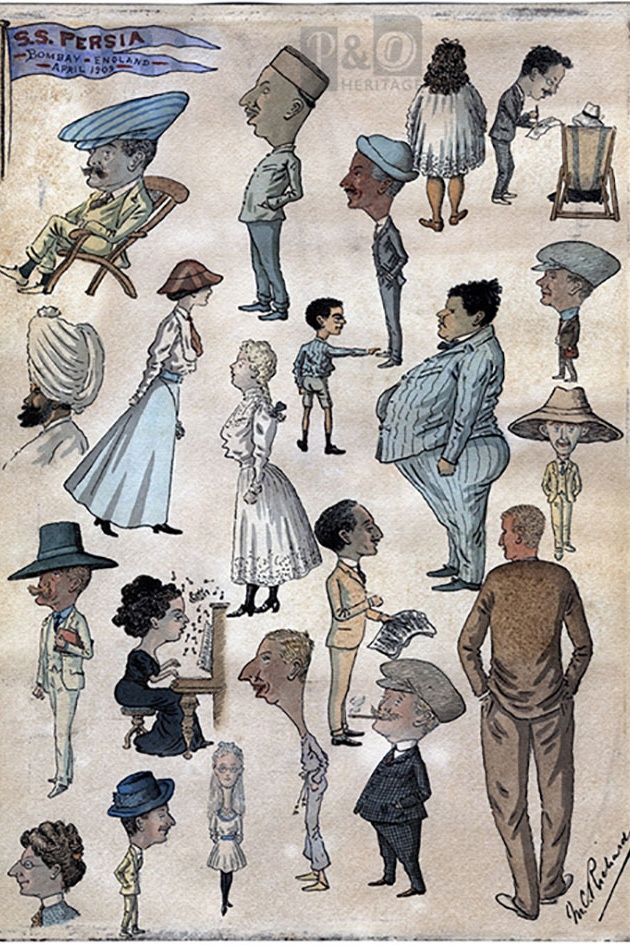
Above deck, passengers included a Lord, military officers, missionaries, family members returning to India, doctors, merchants, newspaper owners, Indian nursemaids, the entourage of a Maharaja, and three brides-to-be. The personal stories and historical context of this section of Edwardian society is captivating and compelling.
The jewels and gold of an Indian Prince
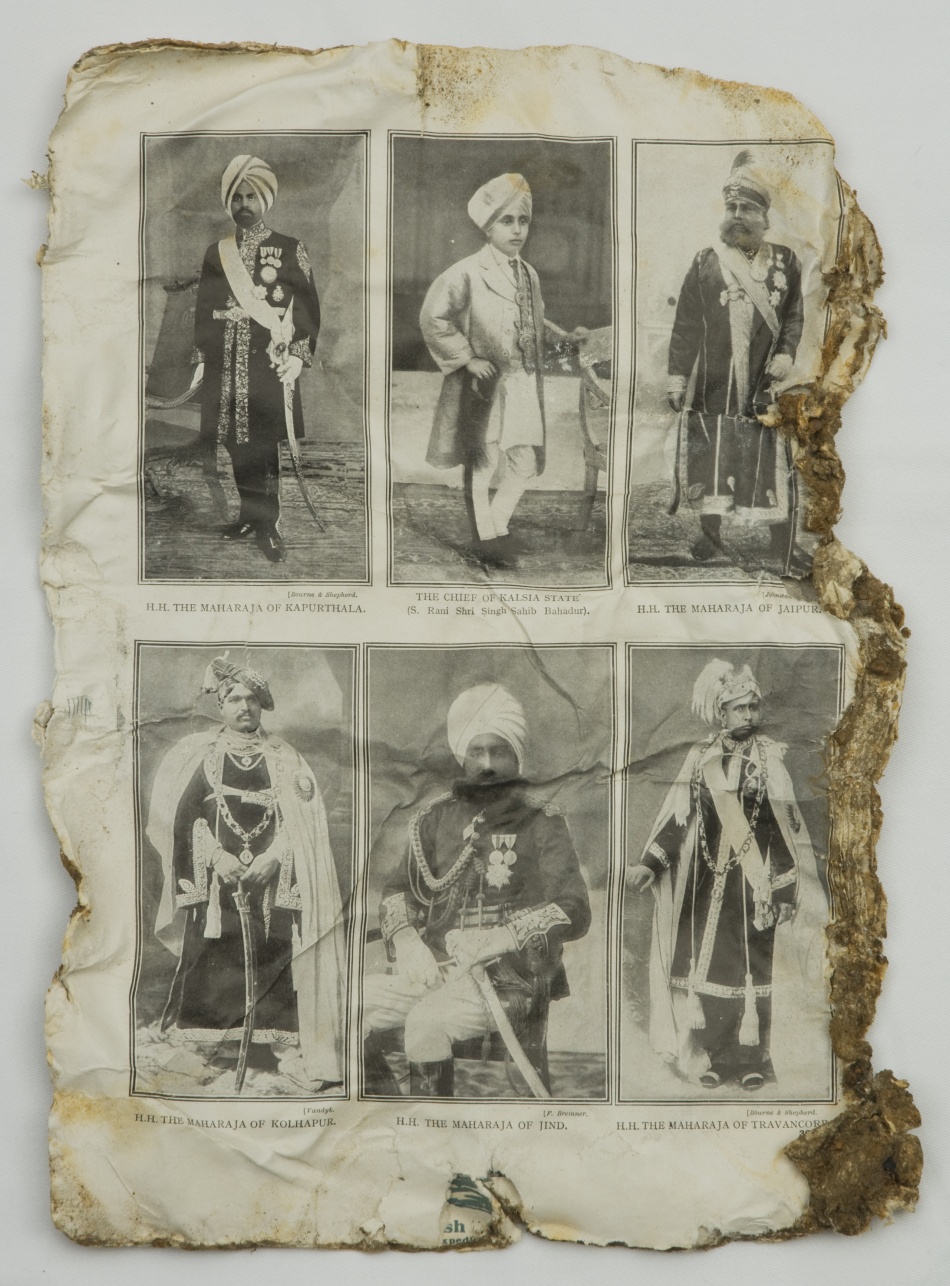
Maharaja Jagatjit Singh, ruler of the Indian province of Kapurthala was due to board The Persia at Marseilles although at the last minute after word from ‘secret sources’ that the ship might be targeted he changed his plans and left on another ship. Some of his party including his principal advisor travelled on the Persia with his ‘baggage’ of over 200 chests including gold, silver, gemstones and jewellery; personal treasures valued at the time as one million pounds.
400 pink and red gemstones which were retrieved from the mailroom part of the ship in a salvage operation in 2003 could have belonged to the Maharaja but his gold and other treasures may still lie at the bottom of the ocean.
Additional record details
- Contributor: Ellie Burkett
- Type: PhotographsWriting
- Date created: 1915
- Location: Royal Victoria Docks
Heritage newsletter
We would like to send you monthly emails spotlighting heritage content in Newham, as well as updates and opportunities to be involved in next year's festival. Be the first to hear about new projects, funding opportunities and ways to be involved.