An Oral History Interview ‘memories of the Canning Town Old Library’ with Monsignor (Father) John Armitage
About this record
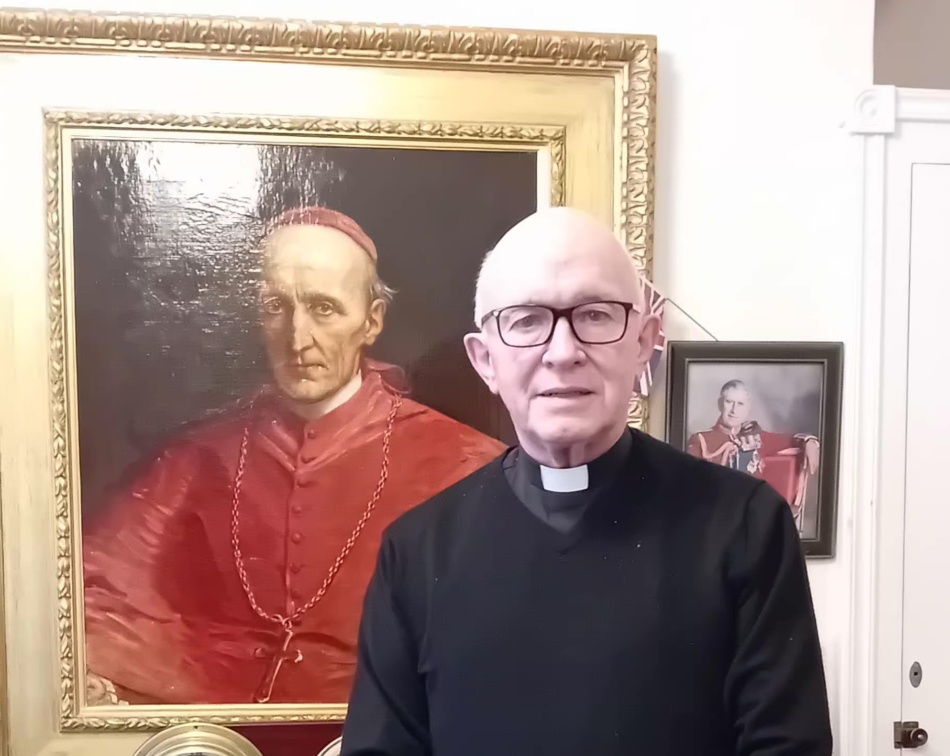
Father (Fr) John Armitage is the current parish priest at St Margaret’s Church in Canning Town. Born and bred in Canning Town, his family have lived here since the 1920s. Fr John was interviewed for the ‘The Canning Town Old Library’ project.
Meet Father John Armitage
East End Roots
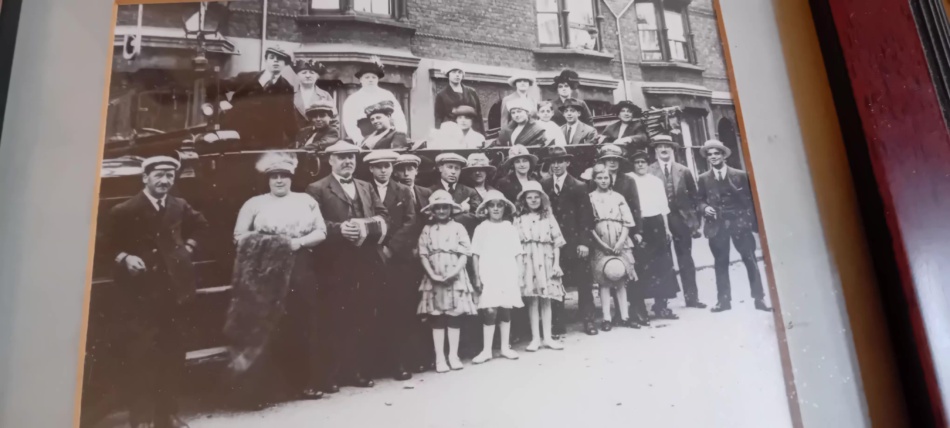
Fr John Armitage’s family moved from Wapping to Tyas Road in Canning Town in the 1920s. Born in West Ham Maternity Hospital in 1955, Fr John’s family has a long association with the Thames and can trace his ancestors as having worked on the river as lightermen, watermen, dockers and merchant seamen for over 200 years.
Memories of Canning Town
Fr John went to St Helen’s, a Catholic Primary School for the parish in the 1960s and recollects that Canning Town was still very much a bustling dock area in the 1960s with ships coming into West India docks, King George V and the Royal Docks. The local families all had an association with the docks, with family members working in the wide variety of roles available. Canning Town at the time had 56 pubs and he remembers it being a very busy and vibrant place, poor but not destitute. With families regularly seeing their loved ones coming and going on the ships, giving the area, especially on Friday nights, a party atmosphere.
He remembers the Seamen’s strike in the 1960s and the Dockers strike in the 1970s. The most famous Dock strike, Fr John tells me, was the Great Dock strike of 1889 for a Dockers tanner- the dockers were striking to increase their low wages, improve their dire working conditions and bring themselves out of poverty. And Cardinal Manning, the local Bishop who built St Margaret’s Church playing a pivotal role in resolving the strike.
Charles Dickens and Canning Town
Fr John mentions that Charles Dickens wrote some very strong words about “old” Canning Town which was the other side of Bidder St. Fr John recalls the area had a lot of slum housing that got bombed during the blitz. With his wealth of knowledge of local history he described the rise of Canning Town from marsh land to becoming one of the busiest docks in the country.
The old Canning Town Library, the Public Hall and St Margaret’s Church
He recalls that everyone had a right to a library ticket but not everyone had one as it was the schools that took you down to the library to join. He explains there was “civic pride” then and it showed in the grandeur of the public buildings. He goes on to say the old Canning Town Library and Public Hall were “inspirational”. The council knew the importance of building impressive buildings in poor areas – to give a sense of pride, buildings that stood out in the area but belonged to the people – “that you were walking into a grand building”.
He recalls, the library had an amazing staircase, with an adult library upstairs, a children’s library downstairs at the back and a room at the front. The library had a distinct smell from the polish that was used to clean and brighten up the parquet flooring laid throughout the building.
The atmosphere in the library then was very strict and talking was not allowed. Children and adults were “shushed” if they dared to speak. However, there were books for families who couldn’t afford to buy books. It was a safe place an important place where you could study in silence, do your homework or just read and have access to books for research especially if you were living in a two up and two down.
He recalls a little cubby hole room when you walked into the library where the guard sat wearing his little cap with a West Ham badge on it to keep order in the library. Normally a retiree.
Fr John goes on to say that St Margaret’s Church will be celebrating it’s 150th anniversary next year and it was the most sacred building in the area, as the church played a pivotal role in peoples’ lives, followed by the “old” Canning Town Library, as you would not talk in church just as you would not talk in the library.
The Canning Town Public Hall – Community Links
The Community Links building was once the Canning Town Public Hall and is famous for the first ever trade union meeting that took place, by the National Union of Gas Workers and General Labourers, where the trade union was formed. The public hall was also used to host lots of other events but Fr John does not recall any events taking place in the library, but events were advertised there. He also recalls Community Links being set up in the public hall when the building became empty and that there was a good few start-ups there and a particular counsellor, whose name he could not recollect as having done a marvellous job which continues to this day.
St Margaret’s Church Fete
St Margaret’s Church Fete was an annual event that took place from the 1950s to the 1990s which was started to raise funds to rebuild St Margaret’s and St Helen’s schools that were bombed during the war. Fr John recalls it being a massive two day community event that involved everyone in the area that was opened by the Mayor or famous stars of the day such as Eamonn Andrews, an Irish TV and radio personality and Glen Murphy an actor in the hit TV drama London’s Burning from 1988-2002, whose family ran a pub in Canning Town.
Hopes and Fears for the future
Fr John is concerned about the lack of community, decline in civic pride and increase in violence in the area. He said there were no community based organisations left to support young people There is also a huge reduction in youth groups, sports clubs and boxing clubs for young people. He sees the effect of the increasing use of social media in his young adult’s church group compared to the ‘90s with the youth being unable to communicate and effectively withdrawing into themselves and is concerned what this holds for the future. However, he has also seen a growth in the number of people attending the young adults group held in the church today as a sign that the youth are discovering the need for community and are looking for connections.
St Margarets Church – Serving the Canning Town community
St Margarets Church currently has two masses on Sunday, one in a different language to serve the Romanian community. The church is open seven days a week from six o’clock in the morning until eight o’clock at night and runs the borough’s largest food bank and as well as feeding the homeless. It is also runs a number of church groups and is a host to regular community events such as the “The Last Wednesday Club”.
Additional record details
- Contributor: Manimala Gollapalli
- Type: InterviewPhotographsWriting
- Location: St Margaret & All Saints' RC Church
Heritage newsletter
We would like to send you monthly emails spotlighting heritage content in Newham, as well as updates and opportunities to be involved in next year's festival. Be the first to hear about new projects, funding opportunities and ways to be involved.