Post-Post-Industrial: Traces of the Beckton Gasworks – Photographic survey
About this record
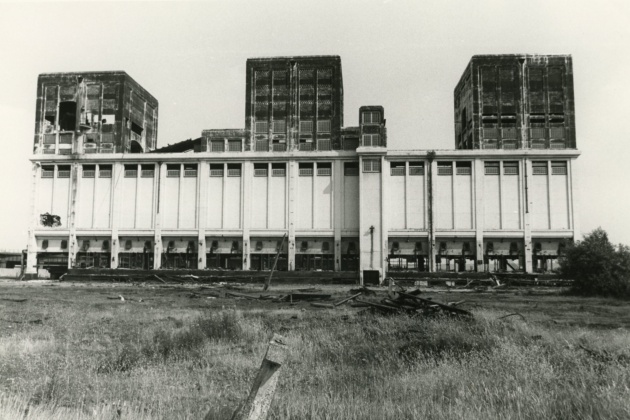
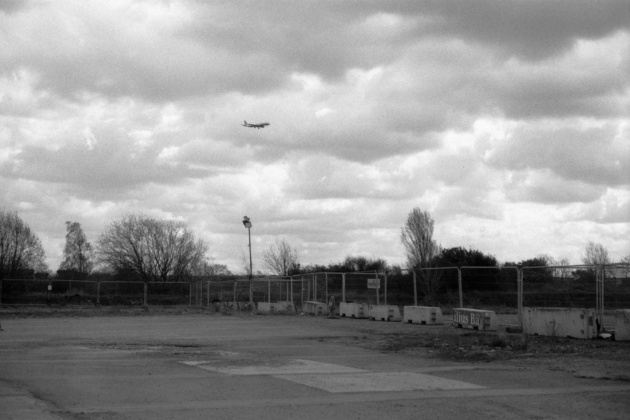
Beckton has undergone a state of change since the gasworks closure in 1969. The following photos show how the area has changed over the years with a selection of archival images alongside images of the land in its current state. While almost all of the gaswork structures have been demolished, traces of the industry remain. These traces are especially visible from satellite imagery where the outlines of gas holders can be seen.


For many years this gasholder, built between 1876-79, had stood as a testament to the industry’s scale and significance in shaping the area. It’s context had gradually been eroded leaving very little else remaining. In 2021 it was demolished, below the remaining ornamentation left on the site can be seen.
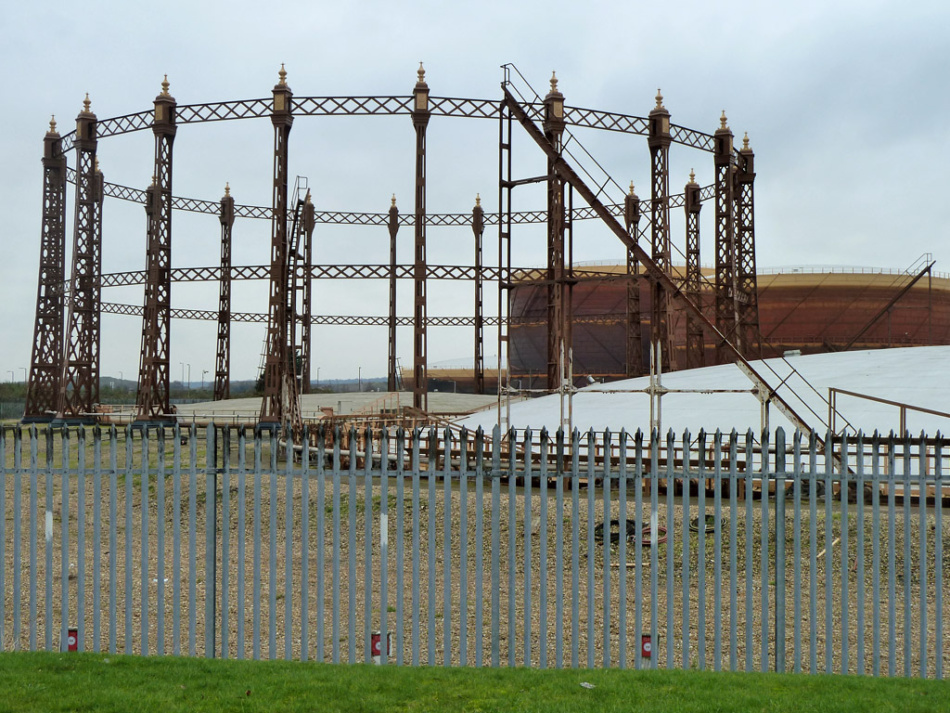
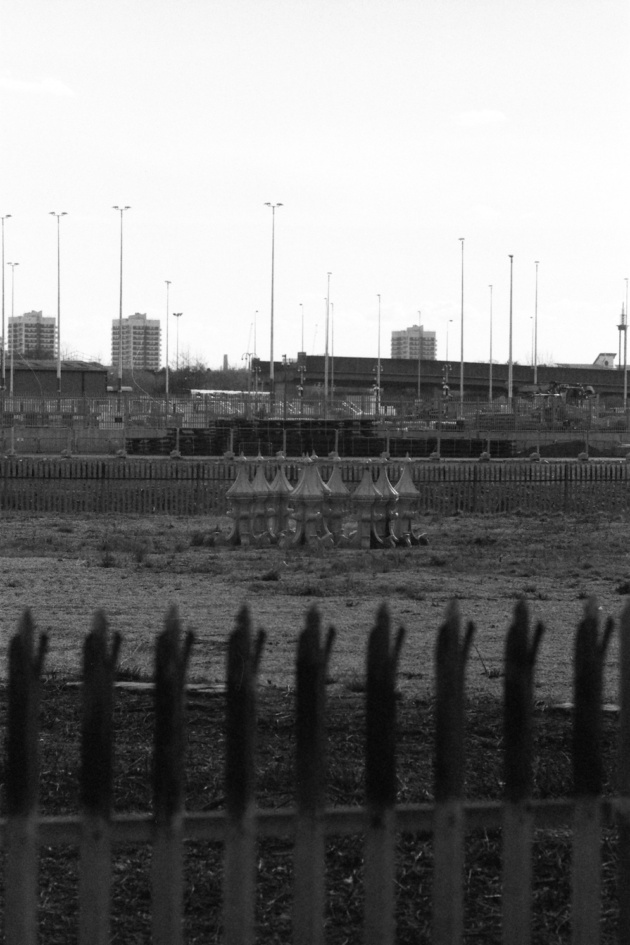
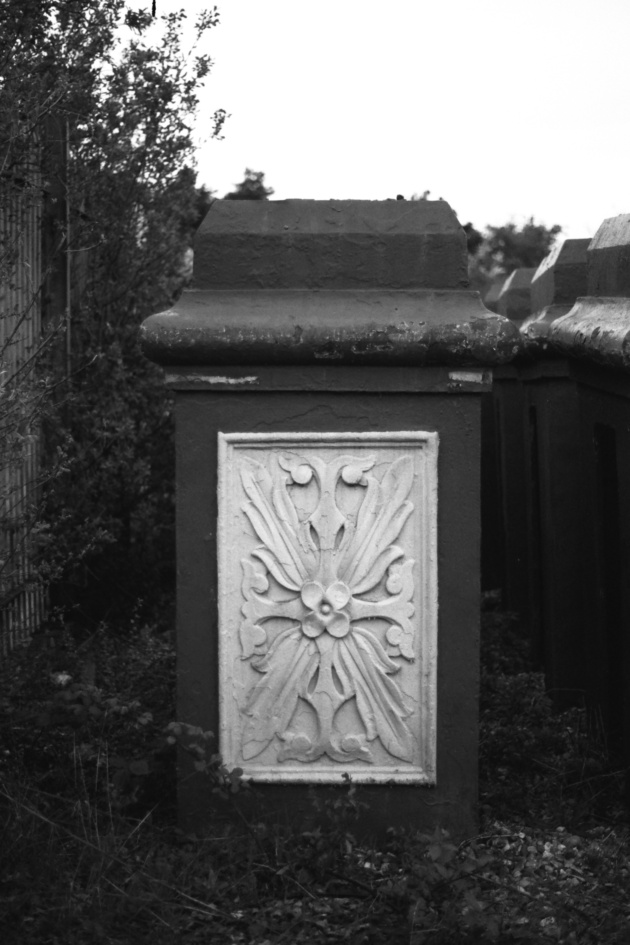
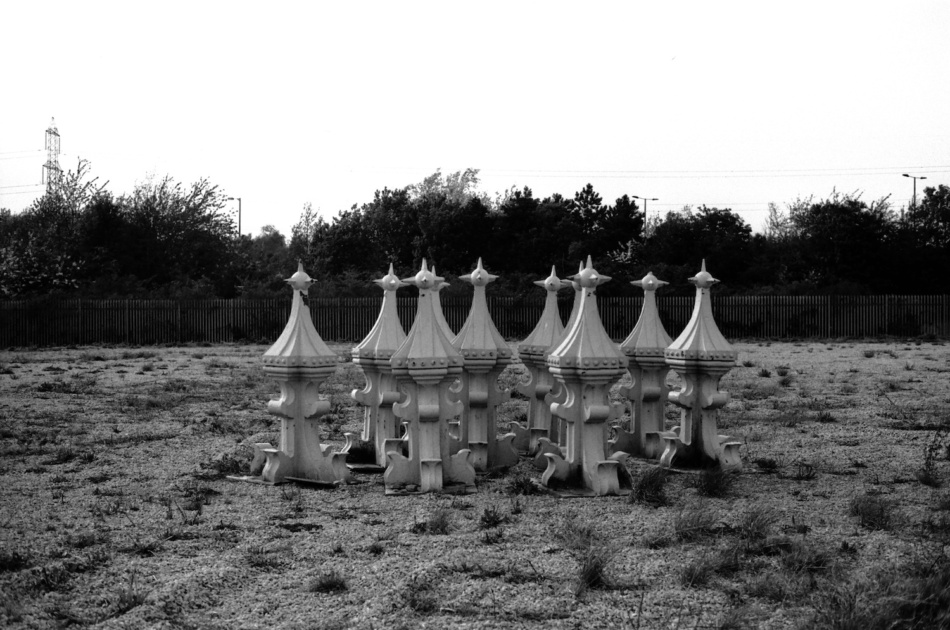
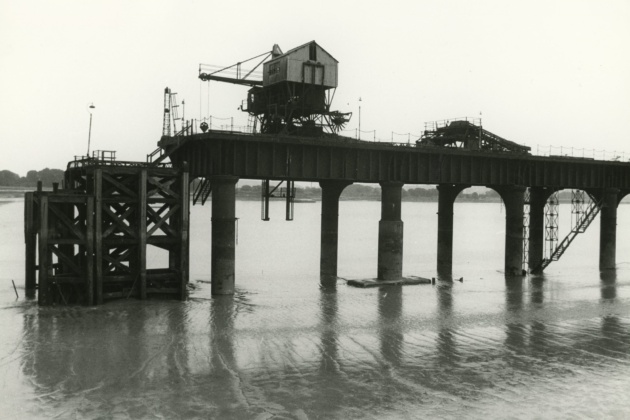
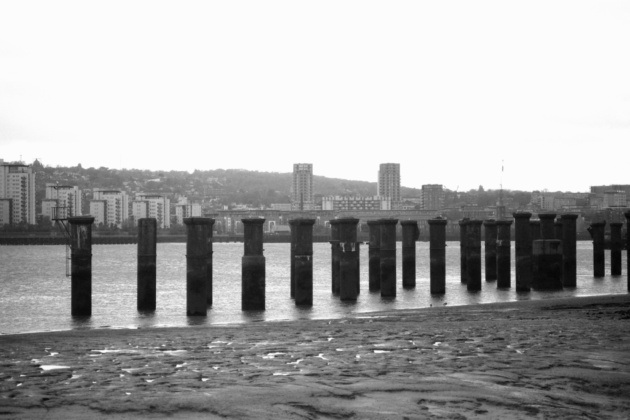
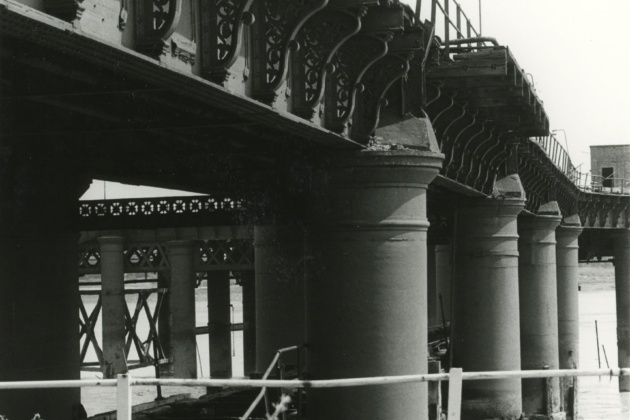
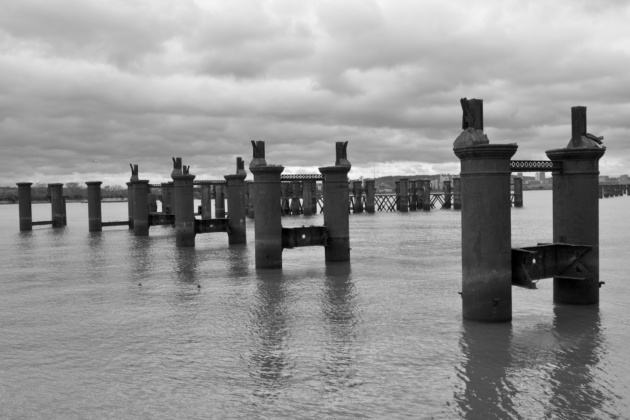
The site of the Gasworks was chosen for its suitability for deep water piers, allowing the import of coal and the export of byproducts. When the majority of the gasworks was demolished the piers’ pillars remained as they proved too difficult and costly to remove, as such they remain along the riverbank today.
The gates at the end of Winsor Terrace have now been locked for years, but once provided the entrance for workers living in purpose built terrace houses along the street.
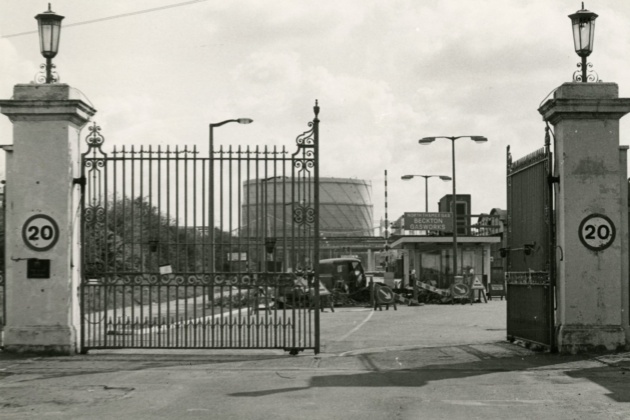
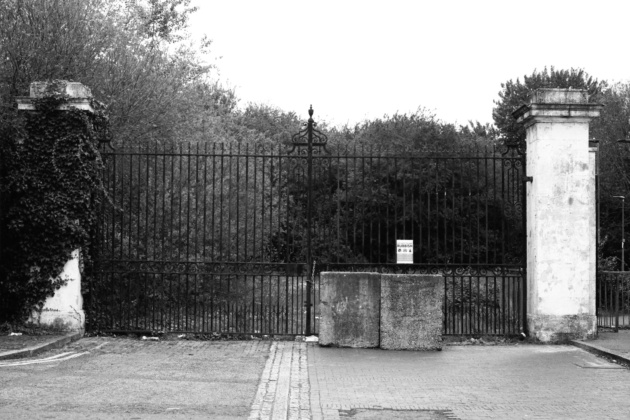
The gasworks buildings in their derelict state were used as a film location many times until their demolition. Today, there is virtually no sign of the works apart from the Beckton Alps (a waste heap from the gasworks now the highest point in Newham), the previously mentioned gas worker’s houses, and piers.
Additional record details
- Contributor: Thomas McLucas & William McLucas
- Date created: May 2024
- Location: Beckton
Heritage newsletter
We would like to send you monthly emails spotlighting heritage content in Newham, as well as updates and opportunities to be involved in next year's festival. Be the first to hear about new projects, funding opportunities and ways to be involved.