The Original ‘Big Sister’: An interview with Donna Spence
About this record
Donna Spence is a host, comedian and health advocate whose comedy has been influential to other comics, who follow her gritty and honest stand-up. She was interviewed by Jasmine Bernard-Brooks, part of a talented and ambitious team of young people working for The New Black Film Collective. The ‘Only Joking’ project reminisces about stand-up comedy in Stratford’s Cultural Quarter in the noughties and is supported by Newham Heritage Month.
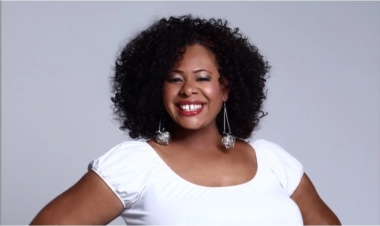
Donna Spence © Donna Spence official page
Starting Up In Stratford
Donna Spence never intended to go into stand-up comedy and in her own words “she fell into it” after Ninia Benjamin got her on stage for a five-minute set that opened doors to the beginning of her comedy career. Getting noticed and booked by Geoff Schuman and soon after, under the mentorship and management of Angie Le Mar, Donna became known and acclaimed within the Stratford comedy scene and beyond. Starting her own gigs such as Big Sister and the Ladies Room, she equally gave opportunities for new acts coming through. It was not easy at first, as there were only a few female comedians in the industry and the older comics did not support her that much. However, she booked Quincy The Comedian and Mr. Cee, and flourished from there.
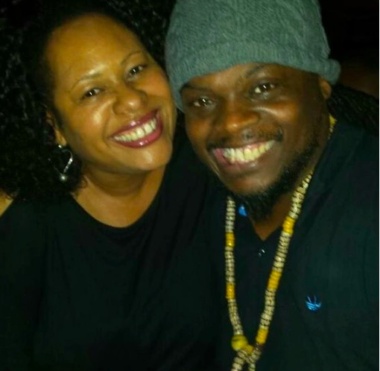
Donna Spence © Donna Spence
We started off at Stratford Circus doing Big Sister… a lot of the scenes we wrote in that was everyday life, things that happen in everyday life.
Influenced by her close family, Donna’s comedy was about relationships and restoring the home. Not swayed by the rhetoric that was gaining prominence then and has become a central idea now, of singleness and the decline of marriage, Donna knew that her frank and direct comments about how men and women conduct themselves in couples and family life would alienate her, but it would also make her standout. On a bill where she was often the only woman, she would be the voice of the people in breaking down the myths around relationships. Having grown up being galvanised by the likes of Steve Harvey and Joan Rivers, found that talking about things the public were afraid to say, led to that being a defining feature of her comedy.
All my family is married, so everything I came across was about relationships and my thing was about bringing back the love…sometimes I kind of felt a bit isolated with that because it felt like everyone wanted to go on the bandwagon of being single.
Doing It Her Own Way
She was also excellent at dressing the set and creating an electric atmosphere for the audience. While she says she was “stickler” in the early days, her peers knew that she understood the game and how to run her show. Even as she prepared backstage diligently (and sometimes battled with anxiety), the Stratford audience was one Donna knew she could connect to. Through shared understanding of their backgrounds, she was able to comfortably poke fun at stereotypes and make people feel good about themselves.
You’ll usually find the person comes to you after and says ‘you’ve made me laugh’, ‘thank you so much’ and ‘I knew that you could feel me’… you become their therapist, you become their everything, so all of those little elements are beautiful for me on stage because you change people’s lives.
Seeing The Changes
After 20 years, Donna left stand-up in 2019, and in that time has seen transformation of the comedy landscape in and outside of Stratford due to the rise of social media, unbound political correctness (resulting in restrictions or censorship) and a change in demographic. On the one hand, it was pivotal to the success of comedians like Judi Love but on the other, could lead to seasoned professionals being cancelled. Furthermore, Donna was wary of television because she wanted to have control over how she was presented and perceived.
If they don’t know you and don’t grow with you, you can’t edit my story. You cannot edit me the way I need to, I have to be in the editing room for you to edit me the best way I can.
She also highlights this as an issue, especially for female comedians that already have to push through so much more in their careers, with social media and TV being another barrier, if used incorrectly. The male dominated comedy circuit was still one where women were often sidelined and disregarded. Promoters’ introduction of female comics to the stage would often be derogatory or disrespectful and was something Donna stood against. However, she was pleased that she could be a role model for younger comics such as Annette Fagon who, after watching Donna tell jokes, realised that her routine could be raw and still popular. It was proof that there is still a place for veterans in the industry and that they could guide the next generation of comedians.
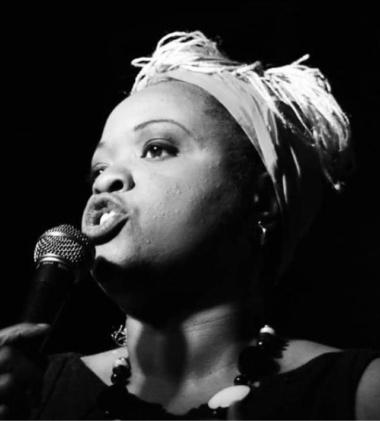
Annette Fagon © Annette Fagon
I feel like they’re coming back for the older ones and the young comics actually want to learn from us again now.
The Future Of Comedy In Stratford
Nonetheless, while cautious of the way comedy has developed, Donna also clearly sees the opportunities and growth that can happen, where comedians within the Stratford area and internationally, can be discovered.
Stratford, it’s almost like it's a city, it's almost like its own city, you've got so much going...every part of life comes to Stratford.
Donna’s comedy was so edgy, sophisticated, personal and incredibly funny that it left a mark on the Stratford Comedy scene. Whilst now she only hosts and continues to publicly champion a healthier lifestyle “because health is laughter and laughter is health” her legacy will never be forgotten.
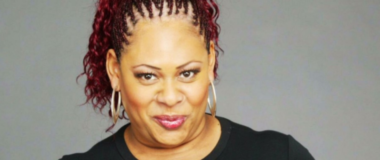
Donna Spence © Donna Spence
See highlights of the full interview below.
Click here for the full video.
Follow Donna Spence on her Facebook, Instagram and Twitter.
Watch Only Joking highlights below:
Additional record details
- Contributor: The New Black Film Collective (TNBFC)
Heritage newsletter
We would like to send you monthly emails spotlighting heritage content in Newham, as well as updates and opportunities to be involved in next year's festival. Be the first to hear about new projects, funding opportunities and ways to be involved.